April 6-8, 2026 | Suzhou, China
"Power Electronics with Advanced Control for Renewables"
Organizers:
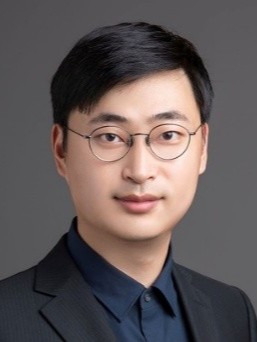
Qinglei Bu, Xi’an Jiaotong-Liverpool University, China
Qinglei Bu received the B.Eng. (Hons) degree and Ph.D. degree from the University of Liverpool, Liverpool, UK, in 2017 and 2022, both in Electrical Engineering. He is currently an assistant professor at Xi’an Jiaotong-Liverpool University, Suzhou, China. His research interests include bidirectional DC-DC converters, electric vehicles, and renewable power conversion systems.
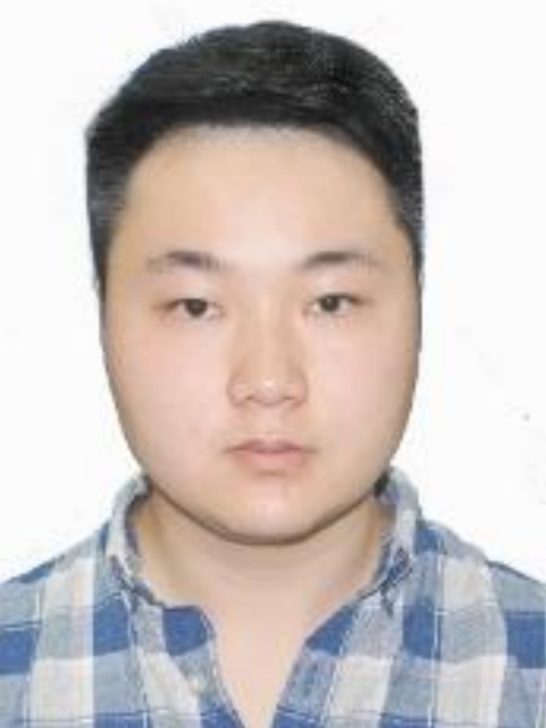
Haochen Shi, Yangtze Univesity, China
Haochen Shi received the M.Eng. degree from the University of Leicester, Leicester, U.K., in 2015, and the Ph.D. degree from the University of Liverpool, Liverpool,U.K, in 2020, all in electrical engineering. He is currently a Associate Professor with the School of Petroleum Engineering, Yangtze University, Wuhan, China. From 2020 to 2023, he was a Postdoctoral Fellow with the Huazhong University of Science and Technology, Wuhan, China. Between 2024 to 2025,He is working as senior motor control unit engineer in BYD Auto Industry CO. LTD. His current research interests include renewable energy integrated Oil & Gas Well, bidirectional dc–dc converter, electrical vehicles, wireless power transfer and renewable power conversion systems.

Guanying Chu, Xi’an Jiaotong-Liverpool University, China
Guanying Chu received B.S. and M.S. degrees in Electrical and Electronic Engineering from the University of Sheffield, Sheffield, UK, in 2014 and 2015, respectively. In 2021, he received a Ph.D. degree from the University of Liverpool. Dr. Guanying Chu is currently an Assistant Professor in the Department of Electrical and Electronics Engineering, School of Advanced Technology at Xian Jiaotong-Liverpool-Liverpool University (XJTLU). The research directions include Photovoltaic Generation System, Partial Shading Issues, and Distributed Maximum PowerPoint Tracking Technology.
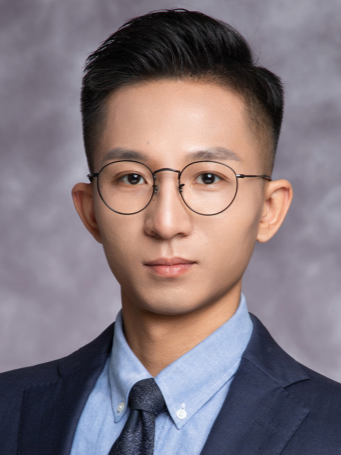
Yinxiao Zhu, Zhejiang University, China
Yinxiao Zhu received the M.Sc. degree (with Distinction) in Sustainable energy technology and the Ph.D. degree in electrical and electronic engineering from the University of Liverpool, Liverpool, U.K., in 2019 and 2023, respectively. He is currently a Postdoctoral Research Fellow with the College of Electrical Engineering, Zhejiang University, Hangzhou, China. His research interests include the grid-friendly integration of photovoltaic systems, particularly grid-supportive controls and differential power processing technologies.
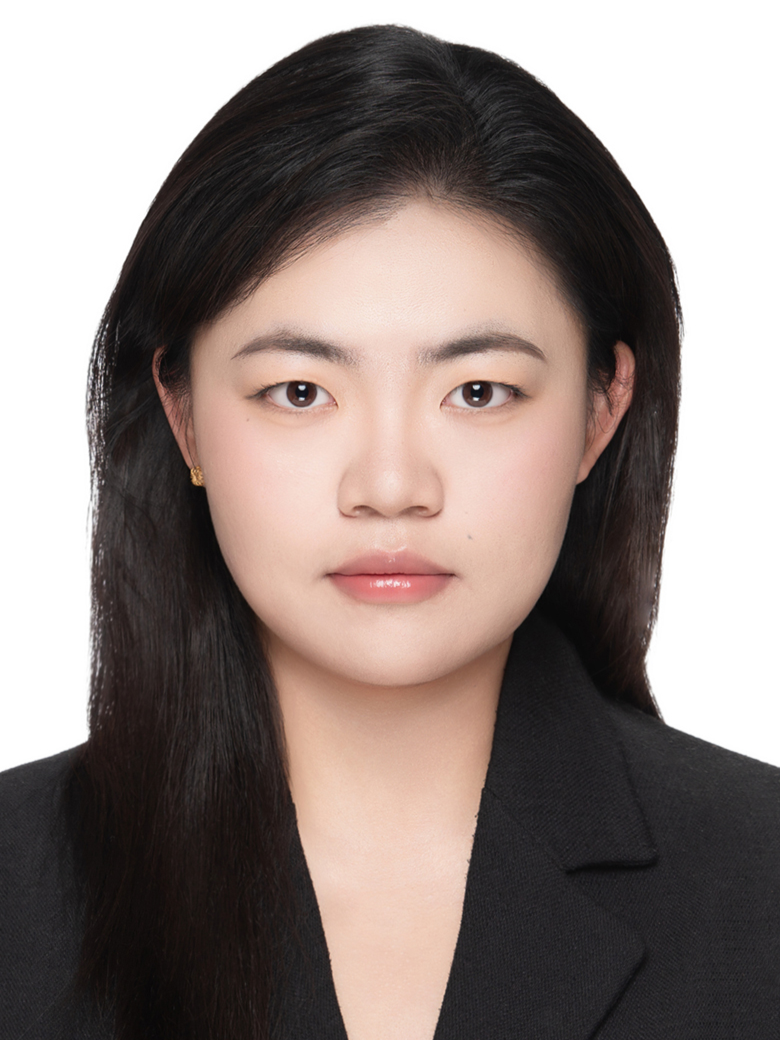
Xue Wang, Suzhou City University, China
Xue Wang received the B.S. degree in applied physics from Hebei Agricultural University, Baoding, China in 2015. She received the master degree in sustainable energy and the Ph.D. degree at the University of Liverpool, U.K.. She is currently a Lecturer with Suzhou City University, Suzhou, China. Her research interests include DC–DC converter, photovoltaic generation system, fault detection, and smart sensors.
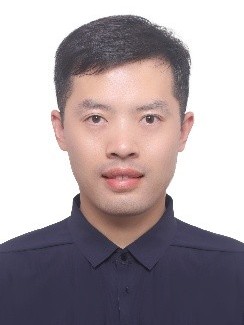
Xiaohui Li, Suzhou City University, China
Xiaohui Li received the M.S. degree in control engineering from Xijing University, Xi’an, China, in 2016, and the Ph.D. degree in intelligent transportation science and technology from Soochow University.He is currently a Lecturer with Suzhou City University, Suzhou, China. His research interests include control and condition monitoring of power electronic transformers.
Introcduction:
Modern power electronics converters are indispensable in a wide range of applications, including switched-mode power supplies, motion control of electrical machines, active power filters, and distributed power generation. As a critical interface between renewable energy sources, particularly photovoltaic (PV) systems, and the grid, power electronics has witnessed significant technological advancements. However, with the increasing penetration of renewables, new challenges have emerged, such as weak grid conditions, PV system fault detection, high-frequency circulation issues, maximum power point tracking (MPPT) under dynamic conditions, active grid support functions, and grid stability during large-scale PV integration. These challenges demand innovative modeling and control strategies to ensure reliable operation and optimal performance.
This special session focuses on advanced modeling and control of power electronics converters, with a particular emphasis on addressing challenges in PV systems and renewable energy integration. It aims to provide researchers and engineers with novel insights, algorithms, and methodologies to analyze, design, and optimize power converter behavior for enhanced performance and grid compatibility. The investigation also explores solutions tailored to address emerging issues such as weak grid interactions, PV-specific grid support, thermal management, and fault handling. By addressing these topics, this track provides technical support for accelerating the renewable energy transition.
Conference Track(s)
-
Advanced modeling and analysis methods for power converters
-
Fault detection, diagnosis, and condition monitoring
-
Grid stability and active grid support functions
-
AI-driven solutions for PV converter optimization and fault analysis.
-
Applications of wide-bandgap devices in power conversion systems.